Nothing to wear? How to stop buying clothes you never wear
A full closet and nothing to wear is a common problem. Here's how to find out which clothes you really wear, why the others don't get worn, and how to shop so new things actually earn their place.
You open a full closet and think, "I have nothing to wear." So you buy something new. A few weeks later, it's hanging there with the rest, tags and all.
If that sounds familiar, you're not alone. Most of us wear a small part of our closet most of the time, and the rest just waits. The fix isn't buying better clothes. It's understanding which clothes you actually wear, and why.
Why "nothing to wear" happens
A closet full of unworn clothes usually isn't about the clothes. It's about how they were bought. A few common reasons:
- It was for an imaginary life. The outfit for parties you rarely go to, or the hiking gear for hikes you mean to take.
- It was a great deal. It was 60% off, so it felt silly not to buy it, even though it wasn't quite right.
- It doesn't go with anything. A lovely piece that needs a whole new outfit around it.
- It doesn't quite fit, or isn't comfortable. Too tight, too itchy, or it needs ironing every time.
- You already have three. It's easy to keep buying the same thing you already own.
None of these are bad choices in the moment. They just add up.
Step 1: Find out what you really wear
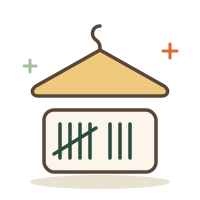
Try the hanger trick. Turn every hanger in your closet backwards. When you wear something and put it back, hang it the normal way. After a month or two, you'll see exactly what you wear and what you don't.
No hangers? Take a quick photo of each day's outfit for a few weeks. Either way, you'll learn more from this than from any style guide.
Step 2: Notice what your favorites have in common
Look at the clothes you reach for again and again. What do they share?
- Fit. Are they all a little loose? High-waisted? A certain length?
- Feel. Soft fabrics? Nothing that needs ironing?
- Color. Maybe you wear mostly neutrals, even though you keep buying bright prints.
- Ease. Can you throw them on and go?
This is your real style, the one you live in. It's much more useful than the style you think you should have.
Step 3: Look kindly at the rest
Now look at the clothes that stayed backwards. Ask why each one isn't getting worn. Does it need a tailor, a button or a matching piece you already own? Or did it never really suit your life?
Keep what you'll honestly wear. Sell, swap or donate the rest. There's no need to feel guilty. Every piece teaches you something about what you don't need to buy again.
Step 4: Shop with a few simple rules
Before you buy anything new to wear, check it against these:
- Can I name three outfits with it? Using clothes you already own. If you can't, it'll probably sit alone.
- Does it match my favorites? The fit, feel and colors you actually wear.
- Would I buy it at full price? If it only makes sense because it's on sale, skip it.
- Is it for my real life? Today's life, not a someday one.
- Will I wear it 30 times? If yes, it's likely a good buy. The cost-per-wear rule shows why.
Step 5: Put a pause before you buy

Many of the clothes we never wear were bought quickly, after a video, an ad or a long day. A short wait changes that. Save the piece and come back in a day or a week. If you're still picturing outfits with it, it's probably a real want. If you've forgotten about it, you just saved the money and the closet space. Here's how the 24-hour rule and 30-day rule work.
The short version
- "Nothing to wear" usually means a few favorites and lots of clothes that don't fit your life.
- Turn your hangers backwards for a month to see what you really wear.
- Notice what your favorites have in common. That's your real style.
- Fix, keep, sell or donate the rest, without guilt.
- Before buying, ask if you can make three outfits with it and would wear it 30 times.
- Wait before you buy, and see if you still want it.
If you'd like a place to save clothes you're thinking about while you decide, that's what Favelist is for.

Sharon