Why I built Favelist (and why I'm trying to stop impulse buying)
Impulse buys were quietly eating my money, and most of them weren't even my idea. Here's what I noticed when I started waiting, and why I built a quiet place to do it.
I wanted to build an app. I also wanted to stop buying things I didn't really want. Favelist is where those two things met.
For a long time my shopping went like this: I'd see something, feel a little spark, and buy it before the spark wore off. Sometimes it was a pair of shoes, sometimes a gadget, sometimes something small enough that it didn't feel like it counted. It always counted.
Favelist came out of trying to fix that. This is the story of why.
Impulse buys were quietly wasting my money
No single impulse buy ever felt like a big deal. That's what makes them easy. A little here, a little there, and none of it shows up as one big number you have to face.
But when I actually looked back at what I'd bought, the pattern was hard to ignore. There was a lot I'd forgotten about. Things I'd used once. Things still sitting in a drawer with the tags on. Things I returned, or meant to return and never did.
That money didn't buy me anything I cared about. It bought me a few minutes of excitement and a lot of stuff.
Most of what I wanted wasn't really my idea
The more I paid attention, the more I noticed how I ended up wanting things.
A lot of it was marketing doing exactly what it's designed to do:
- "Only 3 left in stock."
- A sale that ends at midnight.
- "Spend $15 more for free shipping."
- An ad for something I looked at once, following me around for a week.
- A video where someone I'd never met told me this one thing changed their life.
None of these are about whether I need something. They're about making me decide right now, before I've had time to think. And once I saw that, I couldn't unsee it. So many of the things in my cart were things I'd been nudged into wanting, not things I'd have gone looking for on my own.
When I waited, I liked my purchases more
The thing that actually changed my mind was simple. I started waiting.
Not forever. Just a few days, sometimes a couple of weeks. I'd save the link somewhere and come back to it later.
Two things happened. First, a surprising amount of what I'd been so excited about just... stopped mattering. The spark faded and I didn't miss it. No regret, no money spent.
Second, and this is the part I didn't expect, the things I did still want after waiting felt completely different when I bought them. I'd thought about them. I knew where they'd go and how I'd use them. I liked them more, and I kept liking them.
The best purchases are the ones you've waited for.
Waiting didn't make me buy nothing. It made me buy better.
Every app I tried made it noisier
So I went looking for something to help me wait. A simple place to save the things I wanted and come back to them later.
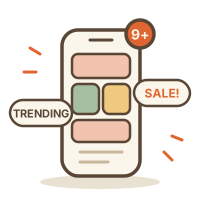
Everything I found worked against me. Wishlists inside shopping apps were surrounded by "you might also like." Price trackers were covered in "deals you can't miss." Save one thing and you'd get ten more suggestions, trending lists, best sellers, notifications about sales on things you never asked about.
That's the opposite of mindful. An app that's supposed to help you slow down shouldn't be built to keep you buying. But that's how most of them make money, so that's what they do.
I didn't want more noise. I wanted quiet.
So I built it for myself
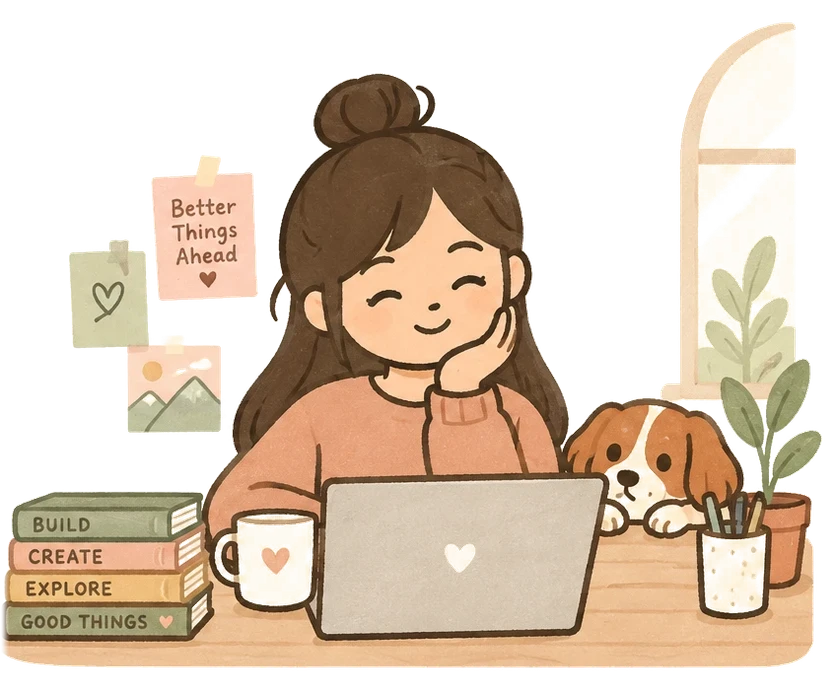
Favelist is the thing I wanted and couldn't find. You save something you're thinking about buying, pick a waiting period, and it sits on your list until that time is up. Then you decide: buy it, pass on it, or keep waiting.
There are no feeds, no recommendations, and nothing trying to sell you something else. It's just your list, and enough space to actually think about it.
I built it for me first. If it helps you too, that makes me really happy.
If you want to try waiting too
You don't need an app to start. Here's what worked for me:
- Save it instead of buying it. When you feel that "I need this" spark, put the link somewhere instead of in your cart.
- Pick a waiting period before you look again. Even 24 hours helps. For bigger things, try a week or a month.
- When the time's up, ask yourself honestly. Do I still want this? Where will it go? Would I buy it at full price, with no sale and no countdown?
If the answer is still yes, buy it and enjoy it. You've earned that one.
And if you'd like a quiet place to keep your list while you wait, that's what Favelist is for.

Sharon